The transformation has been remarkable. What once served as basic manufacturing warehouses have evolved into high-tech fulfillment centers powering today’s digital economy. With e-commerce accounting for approximately 16–17% of total U.S. retail sales in Q3 2024, and projected to reach 21–22% by 2025, with the 25% milestone anticipated around 2027–2028, industrial real estate has firmly established itself as the backbone of modern commerce. For investors who understand this evolution, the opportunities are substantial. However, so are the complexities.
As we approach 2026, industrial real estate stands out as one of the most compelling sectors within commercial property. Yet success requires more than recognizing macro trends. It demands a deep understanding of how to source, evaluate, and close deals in a market that is increasingly sophisticated, but still highly accessible to informed investors.
Understanding the New Industrial Landscape
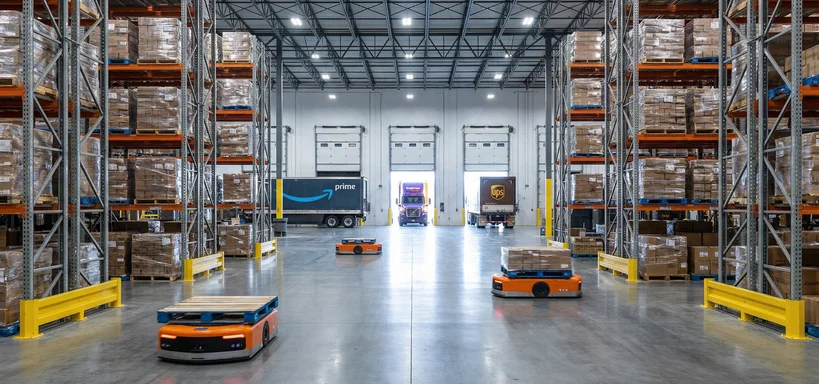
Today’s warehouses bear little resemblance to the dusty storage facilities of decades past. Modern distribution centers are engineered for efficiency, often featuring 30+ foot clear heights, advanced fire suppression systems, high-capacity electrical infrastructure, and layouts designed to support robotics and AI-driven logistics. These buildings are no longer just storage spaces, they are operational technology platforms enabling rapid product movement from manufacturer to consumer.
A major driver of this transformation is the rapid growth of third-party logistics (3PL) providers, which now account for roughly 35% of industrial leasing activity.
This shift creates strategic advantages for all parties involved. Retailers gain access to distributed facility networks without heavy capital expenditures. 3PL operators secure predictable, long-term contracts. Investors benefit from stable cash flows backed by essential logistics infrastructure. With the U.S. 3PL market projected to reach approximately $217–250 billion in 2025 and annual growth estimates ranging from 2% to 9% CAGR depending on the research source, demand for industrial space remains structurally supported.
In Washington State, this trend is reshaping the industrial corridors of Seattle, Tacoma, and the broader Puget Sound region. With direct access to Pacific Rim trade routes and well-established transportation infrastructure, the region serves as a critical West Coast logistics hub. Vacancy rates in Puget Sound hover around 7.3% as of Q4 2024, roughly 100 basis points above long-term averages, creating negotiating leverage for disciplined buyers.
Mastering the Art of Due Diligence
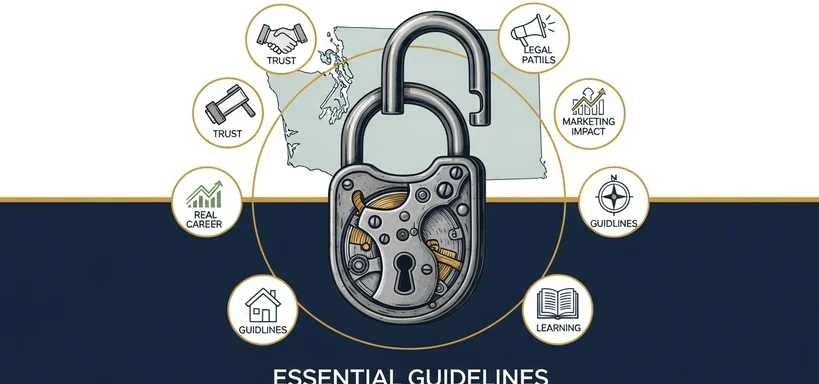
While industrial real estate presents compelling upside, it also carries risks, particularly in environmental compliance. In Washington State, environmental due diligence has evolved into a sophisticated regulatory framework designed to protect both public health and investors.
The State Environmental Policy Act (SEPA) requires agencies to evaluate environmental impacts before approving development projects. For industrial properties, this can significantly influence timelines, feasibility, and capital expenditures.
Under Washington’s Model Toxics Control Act (MTCA), property owners may be held strictly liable for remediation, regardless of fault, unless they qualify for the “innocent purchaser” defense.
Consider a hypothetical $8.5 million warehouse acquisition in Tacoma’s logistics district. With a 25% down payment ($2.125 million) and 25-year financing at 6.5%, monthly debt service would approximate $43,044. If the property generates $85,000 in gross monthly rent with $22,000 in operating expenses, projected monthly cash flow equals $19,956, or roughly $239,467 annually. This represents a 10.43% cash-on-cash return, comfortably within the industry’s 8–12% benchmark range for strong performance.
Protection hinges on conducting “all appropriate inquiry” prior to acquisition. Phase I Environmental Site Assessments (ESA), performed under ASTM E1527-21 standards, review property history, site conditions, and surrounding land uses to identify Recognized Environmental Conditions (RECs).
Essential Due Diligence Checkpoints for Industrial Real Estate Transactions
Strategic Sourcing in the Modern Market
Unlike residential real estate, industrial opportunities rarely appear through standard listing channels alone. Successful investors combine broker relationships, off-market sourcing, demographic research, and infrastructure analysis to identify emerging opportunities before they become widely marketed.
Location remains paramount. In Washington, properties near Interstate 5, State Route 167, and the Port of Seattle command premium pricing due to operational efficiencies that directly enhance tenant profitability.
Financial Analysis Framework
Industrial properties frequently operate under triple-net (NNN) lease structures, where tenants assume responsibility for taxes, insurance, and maintenance. This reduces operational volatility and supports predictable cash flow.
$756,000
Projected NOI
1.46
DSCR
10.43%
Cash-on-Cash
Accurate Net Operating Income (NOI) calculation is foundational. For example, a property generating $1.02 million in gross rent, less a 5% vacancy factor and $264,000 in expenses, produces an effective NOI of approximately $705,000.
Debt Service Coverage Ratio (DSCR) is equally critical. Using an NOI of $756,000 and annual debt service of $516,533, DSCR equals 1.46, comfortably exceeding the 1.25 threshold typically required by lenders. Strong DSCR improves financing terms and mitigates downside risk.
Deal Structuring and Negotiation
Industrial transactions require nuanced structuring. Letters of Intent (LOIs) must address pricing, due diligence timelines (often 60 days or more), environmental contingencies, and tenant-related provisions.
Environmental representations and warranties frequently become key negotiation points. Buyers seek protection against unknown liabilities; sellers attempt to limit post-closing exposure. Skilled negotiation balances risk allocation while preserving deal momentum.
Financing terms hinge on income stability and tenant strength. Properties leased to creditworthy tenants in essential logistics sectors typically attract competitive lending terms due to income reliability.
Practical Applications and Real-World Scenarios
Consider a 200,000-square-foot Tacoma distribution center leased to a national 3PL operator. Originally constructed in the 1990s, the facility required upgrades, including expanded truck courts, additional dock doors, and electrical modernization, to meet current logistics standards.
The lesson: disciplined underwriting, proactive environmental review, and long-term perspective transform perceived risk into structured opportunity.
Looking Ahead to 2026
E-commerce growth remains a durable driver of warehouse demand. At the same time, supply chain automation favors modern, high-clearance facilities. This creates a “flight to quality,” where newer assets command premium rents and valuations while outdated buildings face competitive pressure.
With vacancy rates near 7.3% and new deliveries entering the Puget Sound market, current conditions offer rare buyer leverage. This window may narrow as demand stabilizes and absorption strengthens.
Your Next Steps
Industrial real estate rewards preparation and discipline. Build relationships with specialized commercial brokers. Master key financial metrics: NOI, cap rate, cash-on-cash return, and DSCR. Most importantly, execute comprehensive due diligence to mitigate environmental, structural, and tenant-related risks.
The rise of the warehouse is more than a cyclical trend, it reflects a structural transformation in how goods flow through the economy. For investors prepared to navigate complexity with clarity and patience, 2026 presents significant opportunity in one of commercial real estate’s most dynamic sectors.
The only remaining question is whether you will position yourself to participate in that growth.